
Workplaces in the UK have changed a lot in the last ten years. Offices are more digital, warehouses use more automation, and flexible or hybrid work is now common. While these changes help efficiency and work-life balance, they also bring new health and safety risks that can be hard to spot. Issues like long screen time and poor emergency planning can grow quietly until a serious problem happens.
Health and safety aren’t just about following rules or completing paperwork. It’s about keeping people safe, supporting their well-being, and ensuring businesses run smoothly. Ignoring common hazards can lead to serious issues. Employers may see more absenteeism, lower productivity, a damaged reputation, and possible legal trouble. Employees can face injuries, stress, and long-term health issues if safety risks are not managed.
Understanding workplace risks is key to prevention in any modern organisation. When employers identify potential dangers and their daily impact, they can better protect staff, reduce incidents, and create a safe environment. Recognising risks early, whether they are physical threats or well-being concerns, allows businesses to take action before minor issues escalate. The focus is on real workplace challenges, why these risks matter today, and how organisations can minimise harm through awareness, proper planning, and training.
1. Slips, Trips, and Falls: The Most Common Workplace Threat
Slips, trips, and falls are common hazards in many workplaces in the UK, including offices, stores, construction sites, healthcare facilities, and warehouses. Issues like uneven floors, wet surfaces, loose cables, cluttered paths, and poor lighting can cause serious accidents.
Though slips and trips might seem minor, they are major causes of injuries at work. A fall can lead to broken bones, sprains, head injuries, or long-term mobility issues. For employers, these accidents can mean lost workdays, compensation claims, and higher insurance costs. To reduce these risks, workplaces need regular cleaning, inspections, and clear responsibilities.
Common causes include:
- Wet or recently cleaned floors without warning signs.
- Loose carpets, mats, or damaged flooring.
- Poorly managed electrical cables and extension leads.
- Inadequate lighting in stairwells, corridors, and entrances.
2. Poor Ergonomics and Musculoskeletal Disorders
More people are working at desks, which has led to health and safety risks from poor ergonomics. Bad seating, misplaced screens, and unsuitable desk setups put strain on the body. Over time, this can cause chronic pain and musculoskeletal disorders.
In the UK, back pain, neck strain, shoulder issues, and repetitive strain injuries are common reasons for sick leave. These issues often develop slowly and are often overlooked until they worsen. Employers who provide ergonomic assessments, proper equipment, and encourage regular breaks can reduce injuries and boost comfort, focus, and productivity.
Ergonomic risks often include:
- Chairs without proper back or lumbar support.
- Screens positioned too low or too high.
- Keyboards and mice are placed awkwardly.
- Prolonged sitting without movement or stretching.
3. Fire Hazards and Emergency Preparedness Gaps
Fire is a serious workplace hazard, especially in modern spaces with electrical equipment and many people. Even though laws require it, many workplaces do not have current fire risk assessments or make sure staff know emergency procedures.
If a fire occurs, confusion and panic can spread quickly if employees are unsure what to do. Blocked exits, broken alarms, and a lack of drills raise safety risks. Regular fire safety training, clear signs, and routine checks help everyone evacuate quickly and safely if needed.
Fire-related risks include:
- Blocked or locked fire exits.
- Faulty or overloaded electrical equipment.
- Lack of regular fire drills.
- Poor awareness of evacuation routes.
4. Manual Handling Injuries in Everyday Tasks
Manual handling injuries aren’t just a problem in heavy industry; they happen in offices and retail too. Lifting boxes of paper, moving furniture, or handling deliveries without proper technique can harm muscles and joints. Poor lifting is a major health and safety risk in the UK.
Many workers don’t realise how harmful repetitive or awkward lifting can be. Over time, this can cause serious back injuries, hernias, and mobility issues. Employers can reduce these risks by offering training that teaches employees how to lift, carry, and move items safely.
Typical manual handling risks:
- Lifting heavy or awkward loads alone.
- Twisting while carrying items.
- Poor posture during lifting.
- Repetitive lifting throughout the day.
5. Stress, Mental Health, and Burnout
Mental health is now seen as a serious risk in the workplace. Factors like heavy workloads, tight deadlines, job insecurity, and a lack of control can cause stress and anxiety. Unlike physical dangers, mental health issues are often hidden, making them harder to spot and manage.
When stress is not addressed, it can lead to burnout, long-term illnesses, and a lack of interest in work. Employers who focus on mental well-being lower safety risks and create healthier, more productive workplaces. Open communication, reasonable workloads, and access to support services are essential.
Common contributing factors include:
- Long working hours and overtime.
- Poor work-life balance.
- Lack of management support.
- Unclear expectations or job roles.
6. Electrical Hazards in Modern Workspaces
Modern workplaces rely on electrical equipment like computers, machines, chargers, and extension cords. Faulty wiring, damaged cables, and overloaded sockets can create serious health and safety risks that are often ignored during busy days.
Electrical accidents can lead to shocks, burns, fires, and equipment damage. Regular testing, visual inspections, and clear reporting help spot risks early. Training employees to identify and report electrical problems reduces hazards and protects people and property.
Electrical risks include:
- Overloaded sockets and extension leads.
- Frayed or damaged cables.
- Unauthorised personal equipment.
- Poorly maintained electrical systems.
7. Inadequate First Aid Provision
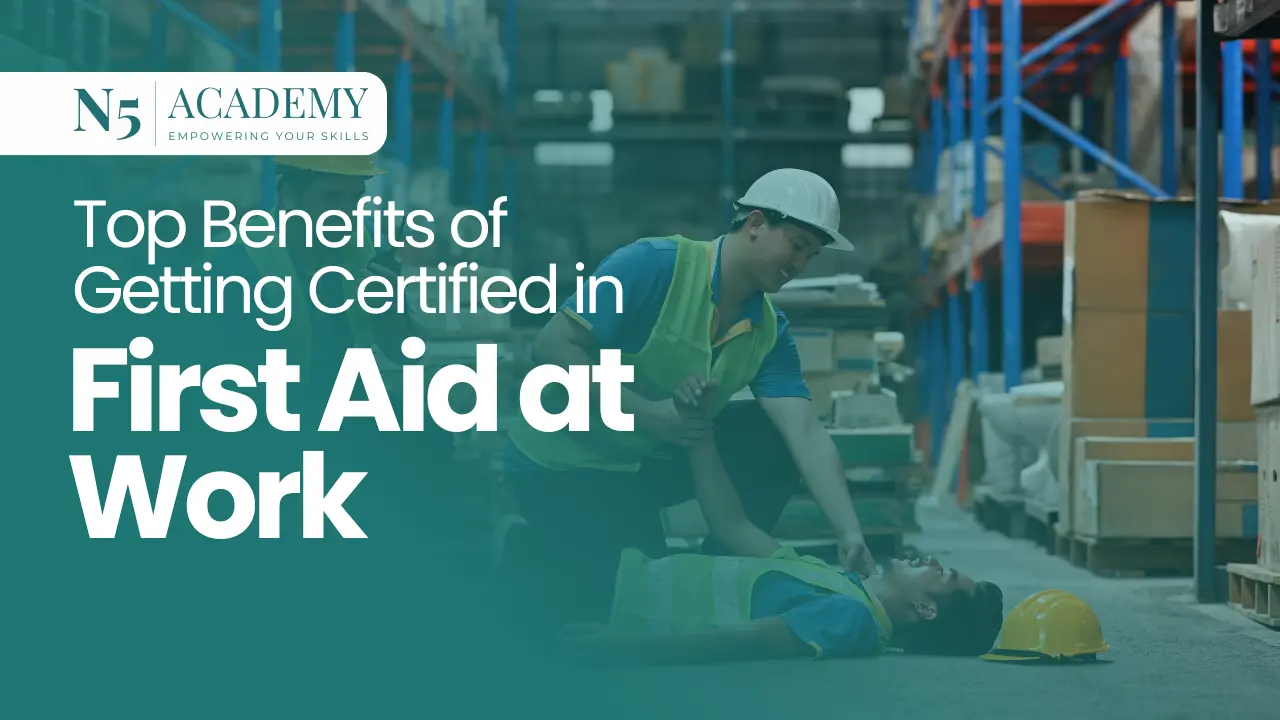
Accidents and medical emergencies are most dangerous in the first few minutes. Many workplaces still lack proper first aid, posing a big safety risk for employees. UK law says employers must have suitable first aid plans based on the risks at their workplace.
Without trained first aiders, small injuries can quickly worsen. Offering first aid courses helps employees respond effectively. A one-day or three-day first aid course teaches staff valuable, life-saving skills that help both coworkers and visitors.
8. Lack of Emergency Response Training
Emergencies usually happen without warning. When there’s a medical issue, fire, or injury, staff who aren’t trained may panic or hesitate. This can make the workplace less safe.
Training for emergency responses boosts confidence and clarity. Employees who can respond to lower safety risks and help prevent problems from getting worse. Regular training refreshes these important skills.
9. Poor Housekeeping and Workplace Organisation
Cluttered and messy workplaces can lead to accidents. Things left in walkways, poorly stored materials, and untidy areas create hazards.
Keeping a workplace clean is everyone’s job. Clear storage, regular cleaning, and taking responsibility help create a safe environment. Staying organised over time improves health and safety and reduces accidents.
10. Fatigue and Long Working Hours
Fatigue is a hidden but serious risk in the workplace. Long shifts, too much overtime, and not enough rest hurt focus, reaction time, and decision-making.
Tired employees are more likely to make mistakes, which raises the chance of accidents. Employers can lessen safety risks by managing workloads, encouraging breaks, and honouring rest periods. This approach supports employee well-being and performance.
Poor Training and Safety Awareness
Without proper training, employees might miss hazards or not know how to work safely. Poor training increases health and safety risks for everyone, especially new employees.
Regular training and refreshers keep safety knowledge up to date. Professional courses reinforce good habits and help lower common workplace hazards.
Failure to Review and Improve Safety Measures
Health and safety are ongoing processes. It’s not just a one-time task. Workplaces change, and new risks appear. If you don’t check procedures often, you can miss important issues that might lead to accidents or compliance problems.
Regular risk assessments, employee feedback, and ongoing improvements help organisations stay on top of health and safety risks. Taking action early creates safer and stronger workplaces for everyone.
Building Safer Workplaces Through Awareness
Every modern workplace has health and safety challenges, but most risks can be prevented. By focusing on common hazards and prioritising employee safety, employers create spaces where workers feel safe, supported, and valued.
Training is crucial for prevention. Health and safety courses from N5 Academy help organisations comply with legal standards while boosting confidence, skills, and a strong safety culture among their teams.