
In today’s fast-paced work environments, emergencies can happen anytime, often unexpectedly. From minor slips in offices to serious accidents on construction sites or in schools and stores, UK employers have a big responsibility to keep their workers safe. This highlights the need for first aid training. It’s not just a legal requirement; it’s a practical need that can change a serious situation into a manageable one.
Employers in the UK are realising that a safe workplace requires more than just policies, signs, or manuals. Workers need practical skills to act confidently in emergencies. Good first aid training programs help organisations build teams that respond effectively when crises arise. When staff know what to do, confusion decreases, response times improve, and the chances of a positive outcome increase significantly.
Understanding Employer Responsibilities Under UK Health and Safety Law
UK health and safety laws require employers to protect their staff. The Health and Safety at Work Act 1974 says employers must take reasonable steps to ensure their employees’ health, safety, and well-being. This includes providing proper first aid arrangements. While the law doesn’t specify exact training for every situation, it expects employers to act based on risk.
Workplace safety training is crucial. Employers need to evaluate workplace dangers, the size of their workforce, shift patterns, and the tasks being performed. A low-risk office may need fewer trained first aiders than a high-risk industrial site, but both must be prepared. First aid training helps employers meet their legal responsibilities and shows they care about employee welfare.
The Real-World Impact of First Aid Training in UK Workplaces
Quick and effective first aid can save lives. Research shows that acting fast after an injury or emergency can lessen the severity of the situation. Often, the difference between a minor injury and a serious problem is how quickly and well first aid is given. This highlights the importance of first aid training for employers in all fields.
First aid training also benefits employees emotionally. Knowing that trained first aiders are around makes employees feel safer and more supported. This sense of security builds trust and lowers anxiety, especially in stressful situations. Companies that prioritise first aid training often see higher morale, better teamwork, and a stronger sense of shared responsibility among their staff.
Why First Aid Training Is More Than a Compliance Requirement
Many employers still view first aid training as a simple requirement for inspectors or insurance. This limited view misses its greater importance. First aid training gives people valuable life skills that they can use outside of work. Employees can help family, coworkers, or others in everyday situations.
From a business standpoint, thorough safety training has lasting benefits. It can cut downtime from injuries, lower the chances of serious incidents, and reduce expensive compensation claims. Over time, employers see that investing in first aid training fulfils both moral obligations and financial goals.
Choosing the Right First Aid Training for Your Business
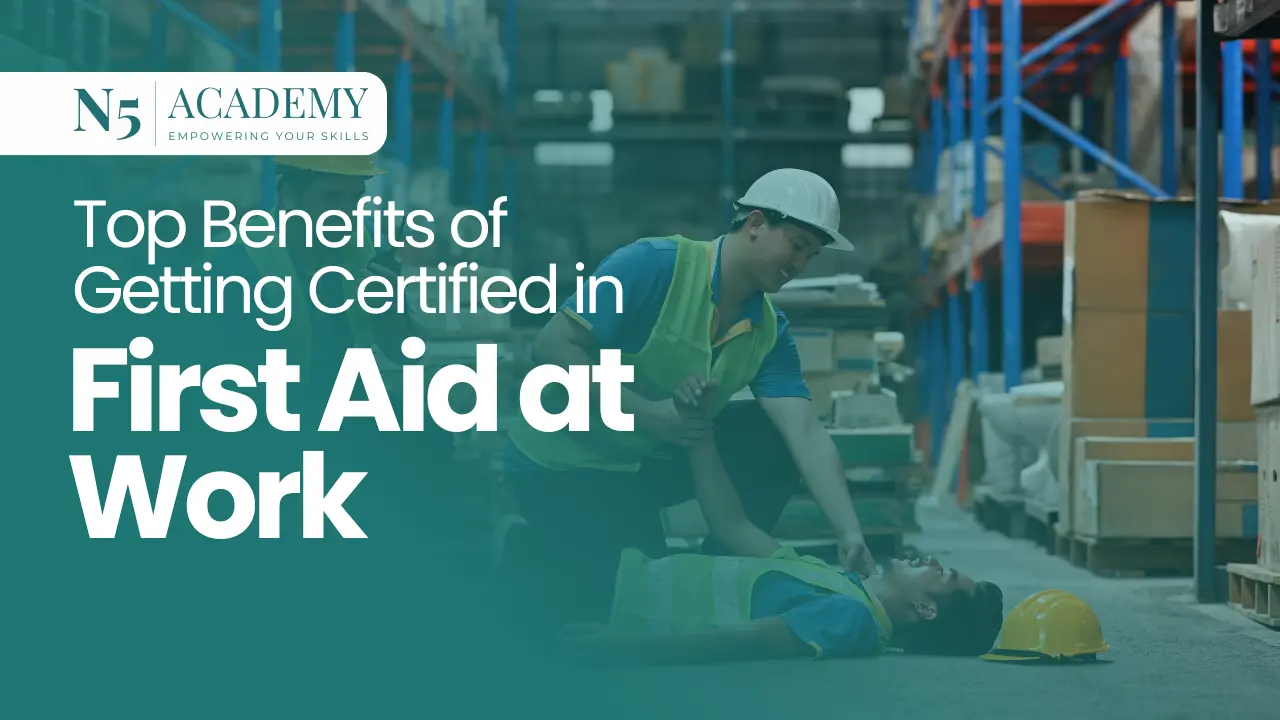
Choosing the right first aid training is important. Different workplaces face different risks, so training should match those needs. Many organisations benefit from enrolling staff in first aid at work courses, which provide thorough training for high-risk environments. These courses teach how to handle various injuries and emergencies, helping first aiders respond with confidence.
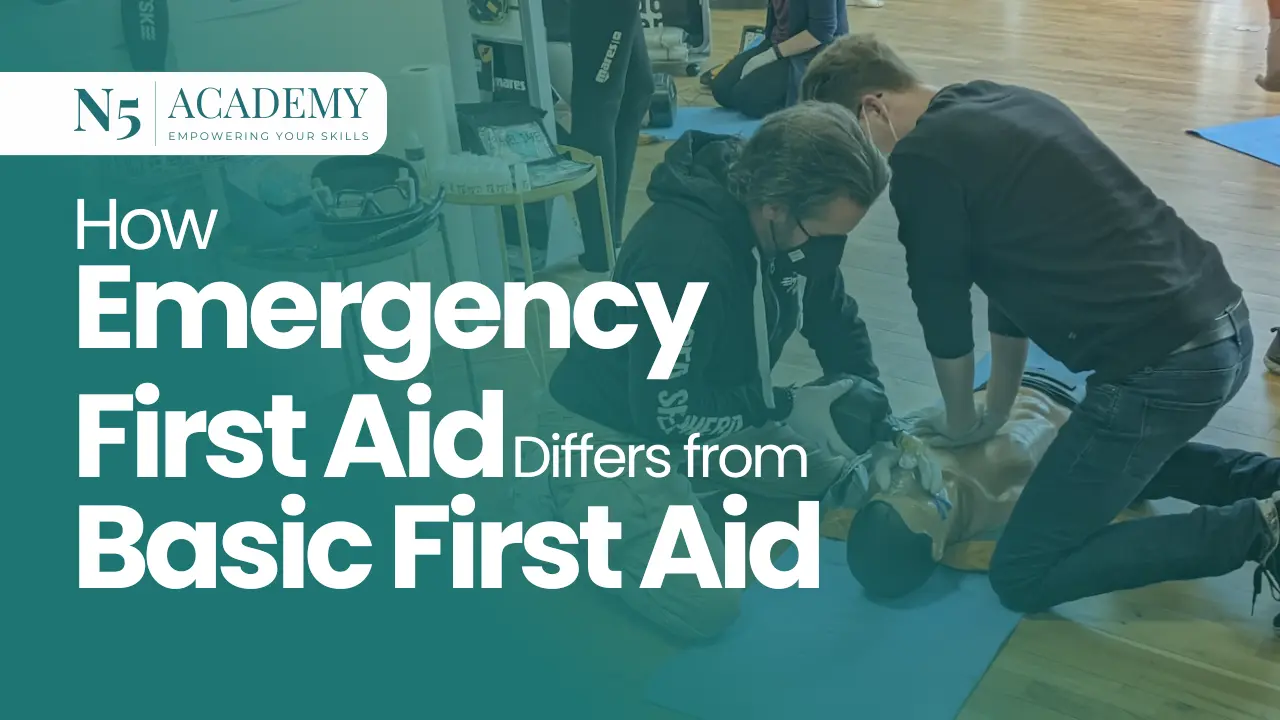
For smaller businesses or low-risk settings, an emergency first aid at work course may be a better fit. These courses focus on essential skills, like CPR, controlling bleeding, and helping unconscious people. Whether employers opt for a one-day or three-day first aid course, the key is to ensure the training meets the specific needs and risks of their workplace.
How First Aid Training Supports a Strong Safety Culture
A strong safety culture relies on consistent actions, not just written words. When employers invest in first aid training, they show that they care about employee well-being. This encourages staff to prioritise safety and support each other.
Making safety training a regular part of work helps everyone stay aware of safety issues. Employees become more attentive to hazards and more comfortable reporting problems. In the long run, this proactive approach results in fewer accidents, quicker emergency responses, and a workplace where everyone shares responsibility for safety.
The Role of First Aid Training in Reducing Workplace Risks
Risk assessments find possible dangers, but preparation shapes the results when incidents happen. First aid training connects spotting risks with acting effectively. It turns plans into real skills.
By prioritising first aid training in the UK, businesses can greatly lessen the effects of workplace accidents. Trained first aiders can help stabilise injured people, manage their wounds, and offer comfort until emergency services arrive. This shows that employers are taking sensible steps to handle expected risks.
Supporting Different Sectors with Tailored First Aid Training
UK workplaces are very different, and their first aid needs vary too. For example, childcare settings need special knowledge about infants, while construction and manufacturing require skills to handle serious injuries. Training that fits specific industries helps ensure first aid matches the risks they face.
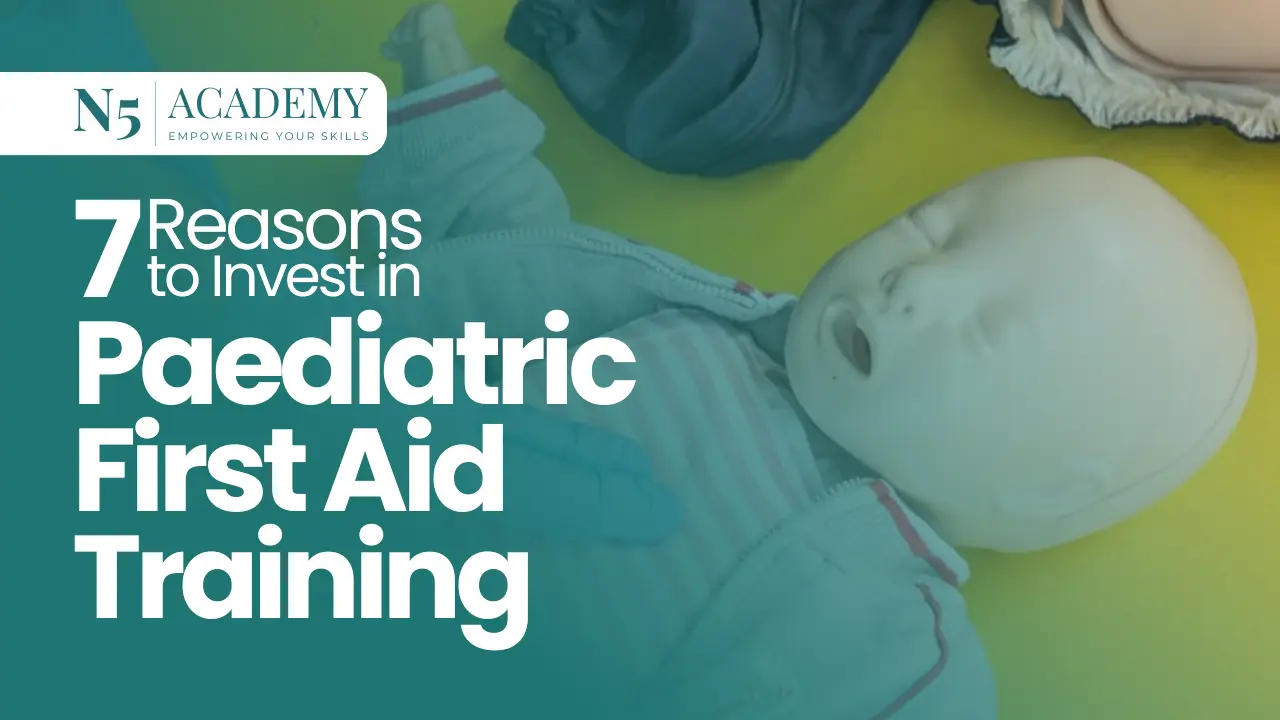
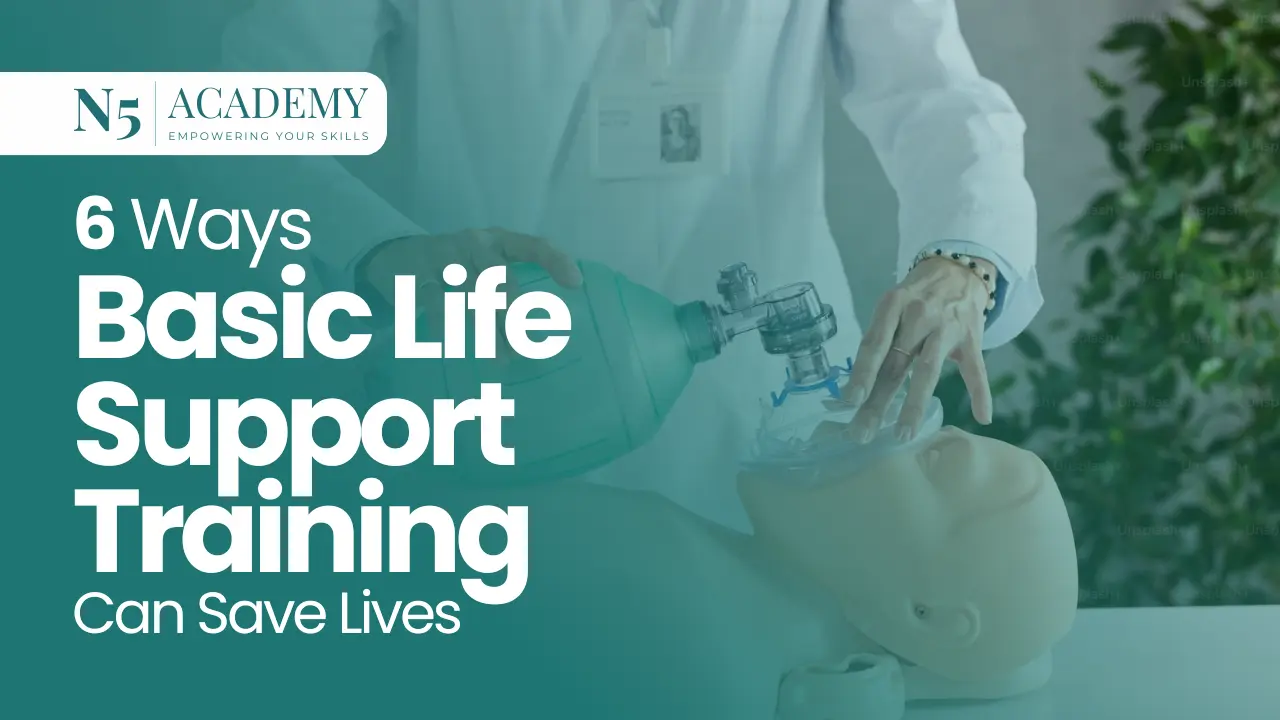
N5 Academy helps employers in various fields by providing courses like Paediatric First Aid Training, Emergency Paediatric First Aid Training, and Basic Life Support Training. This flexible approach helps employers meet legal rules and tackle real challenges, highlighting the importance of first aid training in all industries.
Building Confidence Through Practical, Hands-On Learning
First aid training is most effective when it’s practical. Hands-on learning lets participants practise techniques in real-life situations, boosting their confidence and skills. This experience is vital in actual emergencies.
Employers who provide good safety training see staff become more confident. Employees are quicker to act rather than hesitate, which can save lives. This confidence also improves teamwork and communication during crises.
Long-Term Benefits for Employers and Employees Alike
First aid training offers benefits beyond just responding to emergencies. Employers feel reassured when trained individuals are on-site. Employees feel valued and protected, boosting their engagement and loyalty.
Organisations that focus on first aid training in the UK usually see lower staff turnover, fewer accidents, and a better professional reputation. Clients and partners often choose businesses with strong safety practises, making first aid training a smart advantage.
Why N5 Academy Is a Trusted Choice for UK Employers
N5 Academy offers accredited health and safety training recognised in the UK. Their courses include First Aid Training at Work, Emergency First Aid at Work Training, Fire Marshal, and Traffic Marshal training. N5 Academy supports employers in complying with safety regulations.
With experienced trainers and hands-on learning, N5 Academy helps employers fulfil legal requirements and promote first aid awareness in the workplace.
Making First Aid Training a Business Priority
First aid training is essential and should not be seen as optional. It’s an important investment in people, safety, and business stability. Employers who focus on first aid help create workplaces where employees feel safe and valued.
As workplaces in the UK change, the need for good safety training will grow. By investing in first aid training now, employers can protect their teams, strengthen their organisations, and help make society safer.