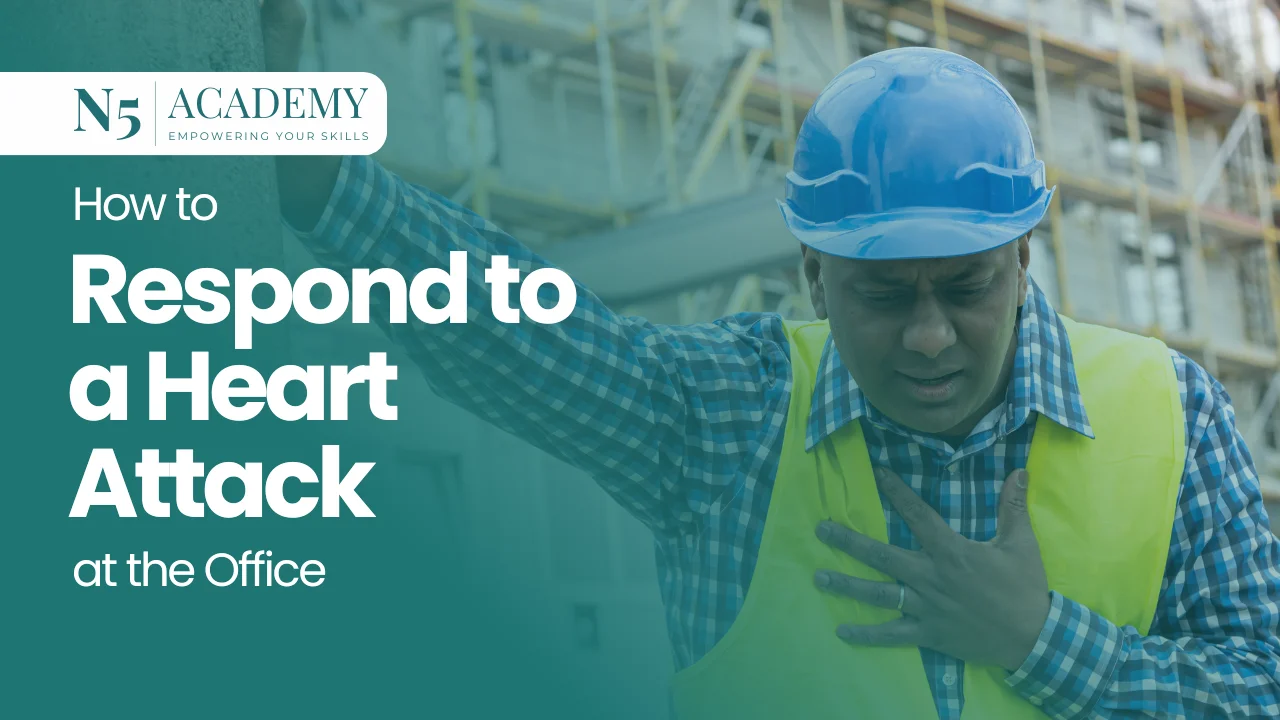

Heart attacks can happen anywhere, including offices, construction sites, shops, and warehouses in the UK. Many people think heart attacks only occur in hospitals or at home, but most happen at work. Since employees spend a lot of their time at work, coworkers often witness these emergencies first.
Knowing how to respond to a heart attack at work can be crucial for survival. When someone has severe chest pain or collapses, every minute counts. Quick recognition and immediate action can significantly increase their chances of survival.
In many office settings, employees sit for long hours, face high stress, and manage busy schedules. These factors can lead to heart problems over time. During a cardiac emergency, coworkers are usually the first to respond, not medical professionals.
That’s why workplace teams need to recognise symptoms and follow first aid guidelines for heart attacks. A well-prepared office ensures everyone knows what to do during a crisis, preventing hesitation.
An organised workplace can respond effectively to heart attacks. With the right knowledge and trained first aiders, employees can provide immediate help that may save lives. Knowing how to react in these situations builds confidence among staff. Additionally, organisations that invest in health and safety training create safer, more responsible workplaces.
Understanding Heart Attacks: What Happens Inside the Body
A heart attack, known as a myocardial infarction, happens when blood flow to the heart muscle is blocked. This usually occurs due to a blood clot in a coronary artery. These arteries deliver oxygen-rich blood to the heart, and when one gets blocked, that part of the heart gets damaged.
Without oxygen, heart muscle cells can die within minutes. That’s why quick action is crucial during a heart attack. The faster emergency services can restore blood flow, the better the chances of survival and recovery.
In a workplace emergency, the first few minutes are called the “golden minutes.” During this time, recognising the situation and taking first aid steps can greatly affect the outcome.
Heart attacks don’t always strike suddenly. Many times, symptoms start gradually and get worse. Sadly, people often ignore these early signs, thinking the pain will go away or that it’s not serious.
Several risk factors can increase the chance of heart attacks, including:
- High blood pressure
- Smoking
- Obesity
- Diabetes
- High cholesterol
- Lack of exercise
- Chronic stress
- Poor diet
Many of these factors are common among working adults who sit at desks for long hours or work under stress. Therefore, workplaces need to be ready for cardiac emergencies.
Knowing the right first aid response for heart attacks helps coworkers act quickly and effectively in a crisis.
Early Warning Signs of a Heart Attack at Work
Quickly recognising the signs of a heart attack is the first step in responding effectively at work. Many people think heart attacks always involve dramatic collapses or severe chest pain, but they often start with subtle signs.
One common sign is chest discomfort. This may feel like pressure, tightness, squeezing, or heaviness in the chest. It can last for several minutes or come and go.
Chest pain isn’t the only warning. Other signs of a heart attack may include:
- Pain spreading to the arms, shoulders, neck, jaw, or back
- Shortness of breath, even when resting
- Sudden sweating or clammy skin
- Nausea or vomiting
- Light-headedness or dizziness
- Extreme fatigue
- Anxiety or a feeling of dread
Not everyone has the same symptoms. Women, older adults, and people with diabetes might show less obvious signs like fatigue, mild chest pain, or nausea.
Because symptoms can vary, it’s important for coworkers to take any suspected heart attack seriously. If someone mentions chest pain or suddenly looks weak, dizzy, or breathless, treat it as a possible heart attack.
Knowing how to act during a heart attack at work ensures help is given right away, instead of waiting for symptoms to get worse.
The Critical First Minutes: Immediate Response Steps
When someone has a heart attack at work, what happens in the first few minutes is vital. A quick and organised response can greatly increase their chances of survival.
First, stay calm. Panic can lead to confusion and slow down the response. Quickly check the situation and make sure the person is safe.
Follow these important steps when responding to a suspected heart attack.
1. Call Emergency Services Right Away
Dial 999 or 112 and ask for an ambulance. Clearly say that someone might be having a heart attack and give the exact address. The quicker you call, the sooner help can arrive.
2. Help the Person Sit Down and Rest
Encourage the person to stop what they’re doing and sit down. Sitting upright with support helps reduce strain on the heart and makes breathing easier.
3. Loosen Tight Clothing
Loosen any tight clothing, like ties or belts, that might restrict breathing. Comfort is key during a heart attack.
4. Stay With the Person
Do not leave the person alone. Stay with them and provide support while waiting for emergency help.
5. Monitor Symptoms
Watch for changes in breathing or alertness. Noticing these changes can help when paramedics arrive.
These steps are the basics of heart attack first aid in the workplace.
What to Do if the Person Becomes Unconscious
In a workplace heart attack emergency, a person might suddenly collapse or faint. This makes the situation more serious.
If the person is unresponsive, check their breathing right away. Look for normal breathing and see if their chest rises and falls.
If they aren’t breathing normally or are gasping, start CPR immediately. Knowing basic life support is crucial here. People who are trained in CPR feel more confident during emergencies.
Basic CPR Steps
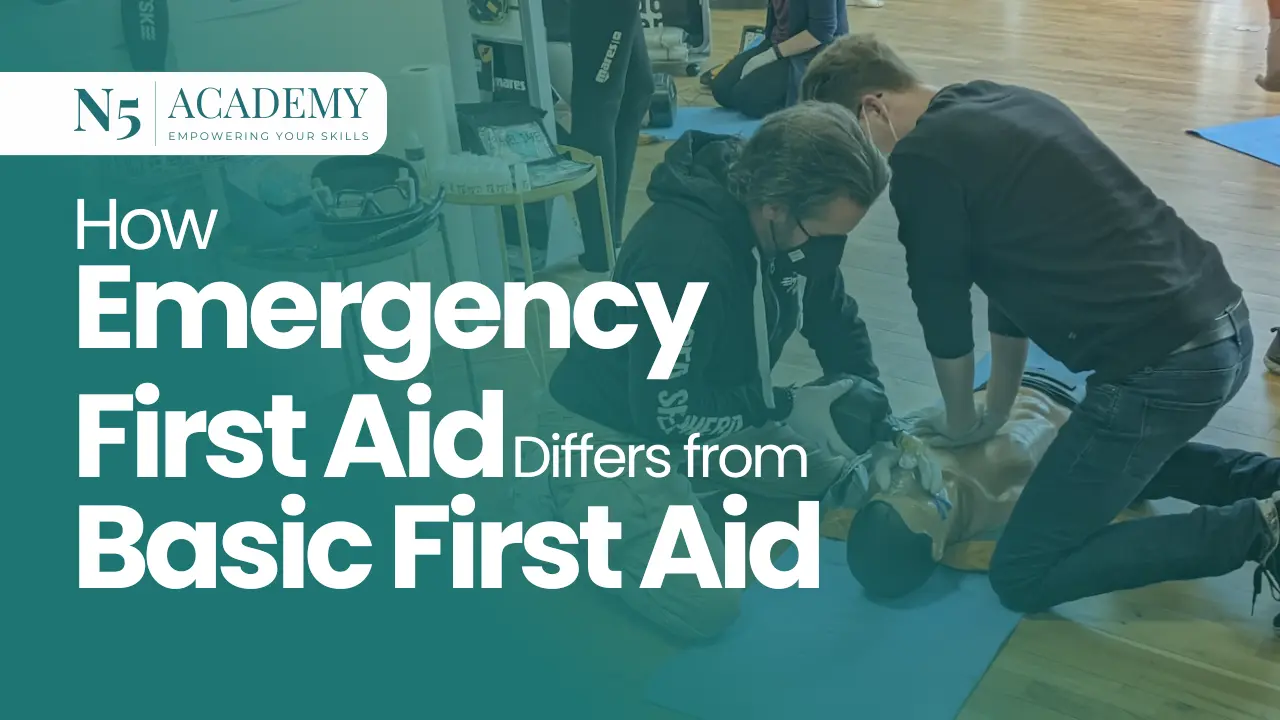
- Place the heel of one hand in the centre of the chest.
- Put your other hand on top and lock your fingers.
- Keep your arms straight.
- Push down firmly and quickly.
- Aim for 100 to 120 compressions per minute.
- Keep doing chest compressions until help arrives or the person breathes normally again.
Employees who take basic life support training get hands-on practise in realistic emergency situations. This training helps them respond quickly and effectively during a heart attack at work.
This shows why it’s important for workplaces to enrol staff in a basic life support course.
Using a Defibrillator (AED) in the Workplace
Many workplaces in the UK now have Automated External Defibrillators (AEDs). These machines help restart the heart during a cardiac arrest.
In an emergency, an AED can save lives. These devices are easy to use and guide users with clear voice instructions.
Here are the typical steps for using an AED:
- Turn on the device.
- Expose the chest and attach the pads.
- Let the machine analyse the heart rhythm.
- Deliver a shock if the machine instructs you to do so.
AEDs only deliver a shock when safe to do so, making them user-friendly for anyone. When combined with CPR, AEDs significantly increase survival rates.
Workplaces that offer basic life support training help employees use defibrillators confidently during heart emergencies. This training helps save valuable time in critical situations.
How Colleagues Can Support During a Cardiac Emergency
Responding to a heart attack is rarely a job for one person. A team effort can improve survival chances and speed up help.
During a workplace heart attack, employees can take specific roles:
- One calls emergency services.
- Another gets the first aid kit.
- Someone finds the AED.
- Another guides paramedics to the spot.
- Others clear space around the person in need.
- This teamwork creates a clear response instead of confusion or panic.
Emotional support is also vital. The person having a heart attack may feel scared or anxious. Calm reassurance from coworkers can help reduce their stress and keep them conscious while waiting for help.
Knowing how to respond in a heart attack situation helps teams work together confidently and effectively.
Preventing Heart Emergencies in the Workplace
Knowing how to respond to a heart attack is important, but preventing one is just as crucial.
Employers can help promote heart health among employees. Encouraging healthy habits can lower the risk of heart disease.
Some workplace initiatives that support heart health include:
- Encouraging regular exercise
- Offering healthy food options in cafeterias
- Supporting programs to help people quit smoking
- Raising awareness about mental health
- Providing health screenings or wellness programs
Reducing stress at work is also key. Long hours, high pressure, and poor work-life balance can lead to heart issues.
Companies should conduct risk assessments and make sure first aid equipment and trained staff are available.
A workplace ready for a heart attack emergency shows its commitment to employee health and safety.
Why Workplace First Aid Training Saves Lives
Many people hesitate in emergencies because they don’t know what to do, wasting valuable time. Professional training helps eliminate this uncertainty. Employees who receive proper training know how to act during a medical emergency.
Workplace training programs teach essential life-saving skills like CPR, AED use, and emergency response procedures. Many organisations in the UK are now investing in basic life support training.
These courses offer practical knowledge, hands-on practise, and build confidence. Importantly, these skills are useful beyond the workplace. Employees can also use them at home, in public, or in their communities.
By learning these techniques, regular people can become capable first responders who can save lives.
How N5 Academy Helps Workplaces Prepare for Emergencies
Workplace safety starts with education and training. Organisations that invest in employee training make their environments safer.
In basic life support training, employees learn CPR, how to assess breathing, and how to use defibrillators in emergencies.
Businesses often choose basic life support training courses in London that meet UK safety standards and offer hands-on learning.
Completing a certified basic life support course prepares employees to respond effectively during a heart attack at work.
N5 Academy also offers various health and safety courses to help workplaces prepare for emergencies. These include:
- First Aid at Work Course
- Emergency First Aid at Work Training
- Paediatric First Aid Training Course
- Emergency Paediatric First Aid Course
- Safeguarding Children Training Online Course
These programs give employees the knowledge and confidence to handle emergencies safely.
When Preparedness Turns into Life Saving Action
A heart attack can strike suddenly at work. The key to survival often lies in how quickly colleagues act.
By learning first aid for heart attacks, employees can give vital help before paramedics arrive. An effective response involves awareness, teamwork, and training.
Every workplace should promote a culture of preparedness so employees feel ready for emergencies. Training in basic life support gives staff the skills to help their colleagues.
A prepared workplace is a safer one when every second counts; knowledge is the most important tool for saving lives.