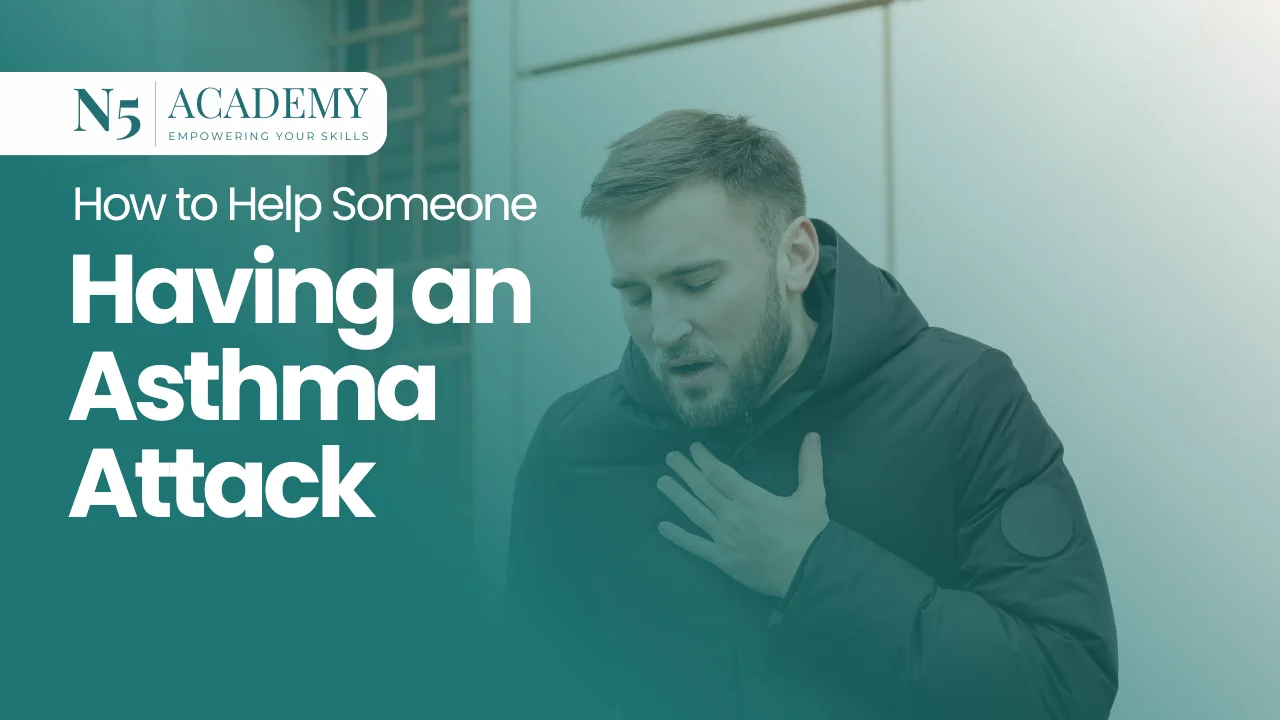

Asthma attacks can happen suddenly and without warning. For many people in the UK, asthma is a long-term condition that can be managed with medication and regular check-ups. However, an asthma attack can quickly become serious. Knowing what to do during an attack is crucial and can mean the difference between safety and danger. Understanding asthma first aid is an important skill for anyone in offices, schools, public places, construction sites, or other shared spaces.
Millions of people in the UK have asthma. Health statistics show it is among the most common long-term respiratory conditions for both adults and children. While many manage their symptoms well, attacks can still happen unexpectedly. Therefore, it is essential for people to recognise symptoms and respond quickly.
Many people panic when they see someone having trouble breathing. This reaction is normal, but staying calm and knowing how to help can make a big difference. Learning to help someone during an asthma attack is not just for healthcare workers; it is also important for friends, family, teachers, security staff, and anyone in public who might face emergencies.
In UK workplaces, being prepared for emergencies is crucial. That’s why first aid training teaches essential asthma first aid steps. Training programs help individuals respond confidently during health crises. By learning these skills, you could save a life during an asthma emergency.
What Actually Happens During an Asthma Attack
To give first aid during an asthma attack, it’s important to know what happens in the body. Asthma affects the airways that carry air to and from the lungs. These airways can become sensitive and swollen, reacting strongly to triggers like dust, cold air, pollution, smoke, allergens, or exercise.
During an asthma attack, three main things happen: First, the muscles around the airways tighten. Second, the airway lining becomes swollen. Third, the body makes extra mucus, which blocks airflow. Together, these changes make the airways narrower.
As a result, the person struggles to breathe and may feel as if they can’t get enough air. This feeling can be scary and lead to panic, which makes breathing harder.
Knowing these changes helps us see that asthma first aid must focus on calming the person and helping them use their reliever medication quickly. Effective first aid reduces airway tightening and helps restore normal breathing.
Common signs of an asthma attack include:
- Wheezing while breathing
- Persistent coughing
- Shortness of breath
- Tightness in the chest
- Difficulty speaking in full sentences
- Rapid breathing
- Anxiety or distress
Recognising these symptoms early is crucial for asthma first aid. If people around the individual spot the signs quickly, they can take the right steps before the situation becomes life-threatening.
Early Warning Signs You Should Never Ignore
Asthma attacks often start slowly before getting worse. Recognising early warning signs can help you assist someone before the situation escalates. Many people think asthma attacks happen suddenly, but the body usually shows signals beforehand.
These early signs can appear minutes or hours before a serious attack. Being aware of these changes allows onlookers and coworkers to act quickly to support the individual.
Some early symptoms include more coughing, mild wheezing, or tightness in the chest. The person might seem anxious or restless. They may also struggle a little to breathe, but can still talk normally.
Other warning signs can be tiredness, trouble focusing, or frequent throat clearing. These symptoms may seem small at first, but they can mean that asthma is getting worse.
If you see these signs, it’s important to stay alert. Taking quick action is one of the best ways to handle an asthma emergency. Encouraging the person to use their inhaler and helping them stay calm can often prevent the attack from getting worse.
In many workplaces and public areas in the UK, trained first aiders learn to watch for these symptoms closely. Courses like the one-day first aid at work teach practical skills to help quickly identify health emergencies and respond correctly.
Step-by-Step Guide: Asthma Attack First Aid
When a person has an asthma attack, quick action is needed. The aim of first aid for an asthma attack is to help them breathe better and stop the situation from becoming a medical emergency.
Acting quickly while staying calm is essential. The person experiencing the attack may already feel frightened and overwhelmed. Your calm support can help stabilise their breathing and reduce panic.
Follow these essential asthma first aid steps in the UK:
1. Stay Calm and Reassure the Person
Stay calm to help reduce their panic. Speak slowly and let them know you’re there to help. Encourage them to breathe slowly. A calm space can help ease their anxiety and breathing issues.
2. Help Them Sit Upright
Encourage the person to sit up comfortably. This position helps their lungs expand and makes breathing easier. Leaning slightly forward can also help. Don’t lay them down unless they lose consciousness.
3. Help Them Use Their Inhaler
Most people with asthma have a blue reliever inhaler. This inhaler relaxes their airway muscles. Help them take one puff every 30 to 60 seconds, up to ten puffs if necessary. If available, a spacer can make the medication work better.
4. Monitor Their Condition
Watch for improvements in their breathing after using the inhaler. Many people feel better within minutes. However, if their symptoms get worse or don’t improve, take further action.
5. Call Emergency Services if Necessary
If the person’s condition worsens, if they can’t speak, if their lips turn blue, or if they collapse, call emergency services right away. Knowing these steps can help save a life.
When an Asthma Attack Becomes a Medical Emergency
Many asthma attacks can be managed with inhalers, but some need urgent medical help. It’s important to know when an asthma attack is serious.
Severe attacks can happen quickly and may need professional care. If the inhaler doesn’t help, breathing may get worse.
You should call for emergency help if:
- The inhaler isn’t working.
- Breathing gets harder.
- The person can’t speak in full sentences.
- The chest pulls inward while breathing.
- The person looks confused or very tired.
- Their lips or fingernails turn blue.
These signs show a severe asthma emergency. In the UK, call 999 if symptoms get worse quickly.
When you call, say that the person is having a severe asthma attack. Give your location, describe the symptoms, and follow the instructions from emergency services.
Common Mistakes People Make During Asthma Emergencies
Even with good intentions, people can make mistakes when helping someone with an asthma attack. Knowing what not to do is as important as learning the right first aid steps.
One common mistake is telling the person to lie down. This can make it harder for them to breathe. Sitting upright is safer unless they lose consciousness.
Another mistake is giving water or food during the attack. The person may have trouble swallowing and could choke. It’s better to focus on helping them breathe and using medication until the attack eases.
Some people try to share inhalers. This may seem helpful, but it can create hygiene issues or give wrong medication doses. Instead, encourage the person to use their own inhaler and follow proper emergency steps.
Delaying emergency help is another mistake. If their symptoms worsen despite using an inhaler, call emergency services right away.
Training in workplace first aid reduces these mistakes by offering clear guidance and hands-on practise.
Asthma in the Workplace: Why Awareness Matters
In the UK, many people with asthma work in offices, construction sites, schools, healthcare facilities, retail stores, and transport hubs. As a result, colleagues might see an asthma attack happen suddenly. That’s why awareness about asthma is important for workplace safety.
Employers must create a safe working environment. This includes making sure employees know how to handle medical emergencies, like asthma attacks.
Employers should provide first aid training for staff. Courses, like the emergency first aid at work course in London, give essential skills for responding to emergencies.
Workplace training helps employees recognise asthma symptoms, give first aid during an attack, and follow emergency procedures. When staff are well-trained, the workplace is safer for everyone.
Helping Children During an Asthma Attack
Asthma attacks can be very scary for kids. They may find it hard to explain how they feel, so it’s crucial for adults to recognise the signs.
Kids having asthma symptoms may cough a lot, wheeze loudly, or seem very tired. They might also say their chest feels tight or that they have trouble breathing. Staff in schools or childcare should follow emergency plans for asthma.
When helping a child, stay calm and keep reassuring them. Encourage them to use their inhaler if they have one and follow the same first aid steps for adults.
Speak in a comforting way and help the child sit comfortably. It’s important to keep them calm, as panic can make breathing harder.
If the child’s condition worsens or doesn’t get better quickly, call for medical help right away.
Training courses, like paediatric first aid, teach teachers, childcare workers, and parents how to assist kids during asthma attacks.
Preventing Future Asthma Emergencies
This guide is about first aid for asthma attacks, but preventing them is just as important. Many asthma attacks are caused by things like allergens, smoke, pollution, cold air, strong scents, or infections.
Knowing what triggers asthma can help people avoid attacks. For instance, staying away from cigarette smoke, managing allergies, and keeping living spaces clean can improve breathing.
Workplaces and public areas can help by maintaining clean air and reducing exposure to triggers. It’s also important for people with asthma to carry inhalers and stick to their treatment plans to avoid emergencies.
Education is key in prevention. When people learn the right steps for asthma emergencies, they feel more confident helping others in need.
Why First Aid Training Makes All the Difference
Knowing the basics of asthma attack first aid is valuable, but hands-on training builds the confidence to respond well. First aid courses teach people how to stay calm, assess emergencies, and give immediate help until professionals arrive.
Training includes hands-on demonstrations and realistic scenarios for practising responses to breathing emergencies.
Workplace training also covers other critical situations like cardiac arrest, choking, seizures, and severe bleeding. This broader knowledge helps people respond to various health issues.
Courses like emergency first aid at work offer practical learning experiences that prepare participants for real-life situations. These programs give people the skills to protect colleagues, friends, and the public.
By investing in first aid training, organisations create safer environments and empower individuals to act in emergencies.
Becoming the Person Who Can Save a Life
Health emergencies often happen suddenly. One moment, everything seems normal, and the next, someone may have trouble breathing. In these critical moments, what bystanders do can mean the difference between a positive outcome and a life-threatening situation.
Learning how to respond to an asthma attack can help you assist someone confidently. These skills are useful in homes, schools, workplaces, public transport, sports events, and community areas.
In the UK, first aid training is essential for public safety. When more people know the steps for asthma first aid and other emergency procedures, communities become stronger and better prepared for unexpected medical issues.
Every trained person adds safety to society. With the right knowledge, you can turn fear into action and provide lifesaving help when it’s needed most.