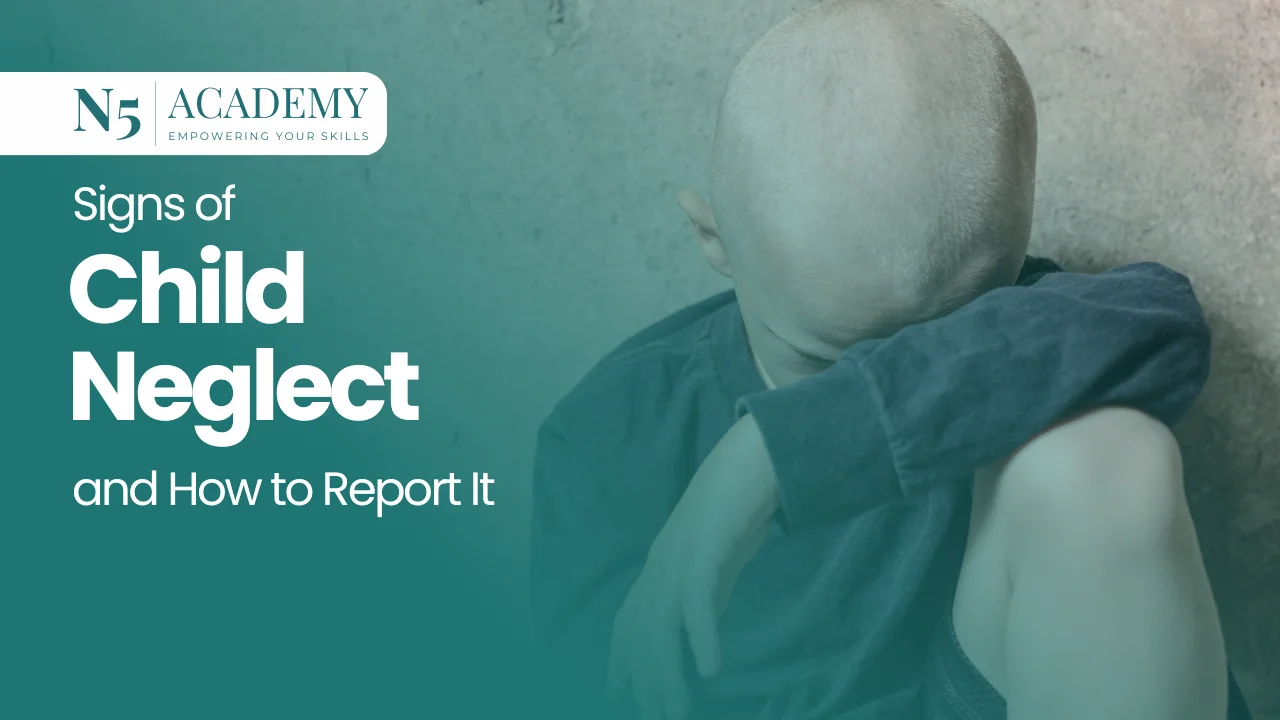

Child neglect is a common form of child abuse in the UK. Unlike physical abuse, it often happens without visible signs, making it easy to overlook until it becomes serious. It’s crucial to recognise the signs of neglect to protect vulnerable children.
Children rely on adults for safety, emotional care, nutrition, and guidance. When these needs are not met, their health and development can suffer. Neighbours, teachers, healthcare workers, and others may see early signs of neglect but might not know how to help.
Identifying child neglect is not about blaming anyone. It’s about spotting risks and ensuring children get the support they need. Understanding this is part of the responsibility to protect children, which falls on both professionals and the public in the UK.
The more people know the warning signs and how to report neglect, the easier it is to intervene early and prevent serious harm. Everyone who knows how to report neglect can help safeguard a child’s future.
Understanding Child Neglect: What It Really Means
Child neglect happens when a parent or caregiver does not provide the basic care a child needs to grow up healthy. In the UK, neglect is seen as a serious form of abuse because it can harm a child’s health, emotions, and social skills.
Neglect can occur even when parents don’t mean to cause harm. Sometimes, financial problems, mental health issues, substance abuse, or lack of support can lead to neglect. No matter the reason, it can still hurt the child.
To understand neglect, we need to look at more than just single events. It often builds over time through patterns of behaviour that consistently fail to meet a child’s needs.
The Four Core Types of Child Neglect
Safeguarding authorities commonly recognise several categories of neglect:
Physical Neglect
Physical neglect happens when a child’s basic needs, like food, safe housing, proper clothing, or supervision, are not met.
Medical Neglect
Medical neglect is when caregivers do not provide necessary healthcare, ignore illness symptoms, or delay treatment.
Educational Neglect
Educational neglect occurs when caregivers stop children from going to school regularly or don’t help them learn and grow.
Emotional Neglect
Emotional neglect happens when caregivers don’t give affection, reassurance, or emotional support. Children may feel ignored or unloved.
Recognising these types of neglect helps people understand the signs that UK safeguarding organisations look for.
The Long-Term Impact of Neglect on Children
Neglect harms children in serious and lasting ways. When a child’s basic needs are ignored, it affects their growth and development.
Physically, neglected children might have poor nutrition, delays in development, and untreated health issues. These problems can weaken their immune systems and stunt their growth.
Emotionally, neglect harms a child’s sense of safety and trust. Children depend on caregivers for comfort and support. When they don’t get this, they may feel insecure, anxious, and have trouble building relationships.
Research in the UK shows that neglected children often face challenges later in life, such as:
- Poor school performance
- Trouble making healthy relationships
- Higher chances of mental health issues
- Increased risk of being socially isolated
Recognising neglect early helps professionals provide support and prevent these long-term effects from worsening.
Key Warning Signs of Child Neglect
Recognising neglect can be tough because the signs appear slowly over time. However, safeguarding organisations have found common signs that suggest a child needs help.
Knowing these signs helps the public spot possible child neglect that professionals in the UK look out for.
Physical Warning Signs
Some of the most noticeable indicators appear in a child’s physical condition.
Common signs include:
• Poor personal hygiene
• Dirty or inappropriate clothing
• Frequent hunger or hoarding food
• Untreated injuries or medical conditions
• Persistent tiredness
These signs might not prove neglect on their own, but if multiple signs show up together, they could suggest a child isn’t getting the proper care.
Behavioural Warning Signs
Changes in behaviour may also indicate neglect.
Children experiencing neglect may display:
• Withdrawal from friends or social interaction
• Frequent absence from school
• Difficulty concentrating
• Anxiety or extreme shyness
• Aggressive or disruptive behaviour
Teachers and youth workers often spot these behaviour patterns first. But anyone who interacts with kids can also see these signs.
Recognising neglect in children requires paying attention to patterns rather than isolated events.
Emotional Signs That Are Often Missed
Emotional neglect is hard to spot because it doesn’t leave visible wounds. However, a child’s emotional health is as important as their physical health.
Children without emotional support may feel lonely, insecure, or scared. These feelings can impact their behaviour, relationships, and mental health over time.
Common signs of emotional neglect include:
- Low confidence
- Fear of making mistakes
- Trouble trusting adults
- A strong need for attention
- Sudden emotional outbursts
Some children may become overly compliant, seeking constant approval from adults. Others may show anger or frustration as they struggle to understand their feelings.
Recognising these emotional signs is crucial to identifying neglect in children and addressing it before it gets worse.
Who Shares Child Safeguarding Responsibilities in the UK
Protecting children is everyone’s job. In the UK, child safety isn’t just the task of social services and police.
Legal duties. People who work with children must report any concerns. But the public also plays an important part in keeping kids safe.
Key organisations. Many groups work together to protect children across the UK. These include:
- Local children’s services
- Schools
- Healthcare providers
- Police child protection units
- Charities like NSPCC
Each group has a role in spotting risks and handling safety issues. For example, teachers might notice unusual behaviour, while healthcare workers may see signs of neglect during check-ups. When these teams cooperate, they can understand the child’s situation better.
How to Report Child Neglect in the UK
If you suspect child neglect in the UK, it’s important to know how to report it. Reporting doesn’t mean you are accusing anyone; it helps trained professionals check if the child needs protection.
Act quickly if you think a child is at risk. Here are some steps you can take:
- Contact your local council’s children’s services.
- Talk to a teacher, safeguarding officer, or healthcare worker.
- Call the NSPCC helpline for confidential advice.
- If a child is in immediate danger, call the police.
When you report your concerns, share clear details about what you’ve seen. Information about the child’s behaviour, living conditions, or health can help professionals assess the situation. Even small details can help protect a child.
Why People Sometimes Hesitate to Report Concerns
Many UK communities see signs of child neglect, but often don’t report them. A common reason is the fear of being wrong. People worry about upsetting families or hurting relationships with neighbours.
However, safeguarding experts say it’s better to report concerns. This lets trained professionals evaluate the situation fairly.
Another worry is about keeping things private. Many reporting systems let people raise concerns anonymously. Knowing this can help individuals feel safe in protecting children while staying anonymous.
The Role of Training in Protecting Children
Education and training are crucial for keeping children safe. When people understand the impact of neglect on children, they can better spot risks and take action.
Safeguarding training offers clear steps for recognising warning signs, reporting issues, and helping at-risk children.
For those wanting to boost their safeguarding knowledge, a safeguarding course in London can provide key insights into safeguarding rules and reporting methods.
Professionals in childcare, education, healthcare, and community services often take a child safeguarding course in London to enhance their understanding of their responsibilities.
Many organisations encourage staff to complete a safeguarding level 2 course in London, which covers advanced procedures, laws, and child protection systems.
These courses give individuals the confidence and knowledge to identify risks and respond effectively.
How Communities Can Help Prevent Child Neglect
Communities help prevent neglect. When neighbours, relatives, and local groups stay aware of risks, they can support families before issues grow.
UK safeguarding bodies highlight signs of child neglect, allowing communities to act early. For instance, neighbours might notice when a child is often hungry or left alone. Teachers may spot learning problems linked to neglect at home.
By raising concerns early, communities can help families get the support they need. Programs that assist with parenting, mental health, and family issues also lower the chances of neglect.
When families have access to resources and guidance, they can create safe environments for their children.
What Happens After Neglect Is Reported
After a report is made, safeguarding professionals carefully assess the situation. They want to find out if the child is at risk and what the family needs.
Initial assessments often include speaking to teachers, healthcare professionals, and family members. Authorities gather information to understand the child’s situation.
Often, families get support instead of punishment. This may include parenting guidance, counselling, financial help, or community programs.
If a child is in serious danger, social services may take stronger actions to keep them safe.
The goal of safeguarding systems is to prioritise the child’s well-being while supporting families whenever possible.
Building a Safer Future for Children
Recognising signs of child neglect is crucial for protecting vulnerable children. When communities spot these signs early, they can take action sooner.
Everyone plays a role in keeping children safe. Parents, teachers, neighbours, healthcare workers, and volunteers can all help by being aware and ready to act.
Knowing how to report child neglect and understanding safeguarding responsibilities helps individuals protect children from harm.
By raising awareness, supporting families, and reporting concerns, communities can offer safer places for every child to grow, learn, and succeed.