

Running a small business in the UK is rewarding, but it comes with many responsibilities. You need to manage customers, inventory, finances, and daily operations. It’s easy to neglect health and safety in this busy environment. However, ignoring it can put your employees and customers at risk and lead to expensive fines, damage to your reputation, or even the closing of your business.
Let’s look at eight common health and safety risks that small businesses face, along with simple strategies to tackle them. Whether you own a café, retail store, office, or construction business, it’s crucial to identify and address these risks to protect your team, follow UK laws, and keep a good brand image.
Slips, Trips, and Falls: The Most Frequent Workplace Hazard
Slips, trips, and falls cause many workplace injuries in the UK each year. While they may seem minor, they can lead to sprained ankles, bruises, serious fractures, head injuries, and long absences from work.
Key Risk Factors:
- Wet floors without warning signs.
- Spilt liquids in kitchens, bathrooms, or work areas.
- Loose wires, cluttered paths, or unsecured rugs.
- Poor lighting in hallways, stairs, or basements.
How to Address It:
- Put up clear signs when floors are wet or being cleaned.
- Follow daily cleaning routines.
- Keep busy areas tidy and free of obstacles.
- Ensure good lighting throughout the building.
- Encourage staff to report hazards right away.
By having a proactive cleaning policy and creating a safety-focused culture, you can reduce trip-related accidents and show your commitment to employee safety.
Manual Handling Injuries: Hidden Strains with Big Impacts
Lifting, pushing, carrying, or pulling objects without the right technique can lead to injuries. These injuries often happen in retail, hospitality, warehousing, and places where items are moved frequently.
Common Scenarios in Small Businesses:
- Employees unloading deliveries or moving stock.
- Kitchen staff lifting heavy pots or supplies.
- Office workers are shifting supplies or equipment.
- Staff bending or twisting to reach items repeatedly.
Prevention Tips:
- Train all staff on safe lifting techniques.
- Encourage team lifting for heavy items.
- Use tools like trolleys or lifts.
- Store heavy items at waist height to reduce awkward movements.
- Rotate tasks to prevent repetitive strain.
Good lifting practises lower health risks and improve staff morale. They also reduce absenteeism and help prevent long-term issues like back pain or joint problems.
Lack of First Aid Preparedness: A Risk You Can’t Afford
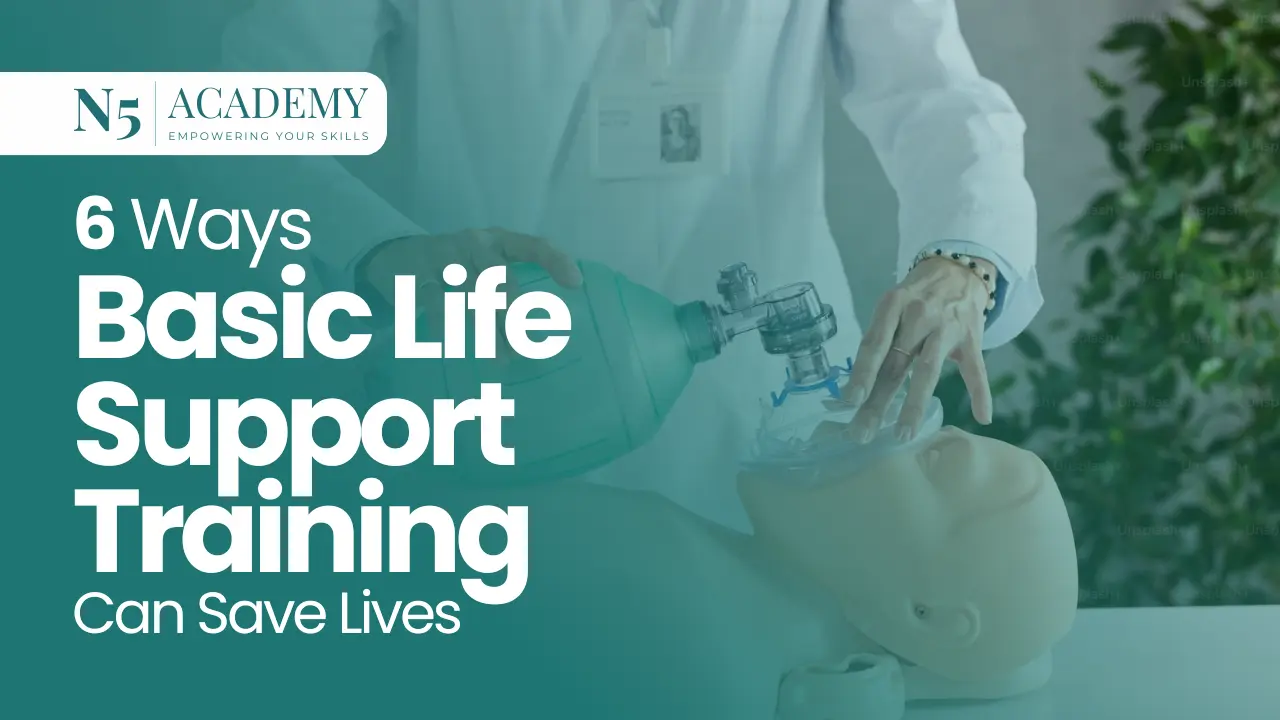
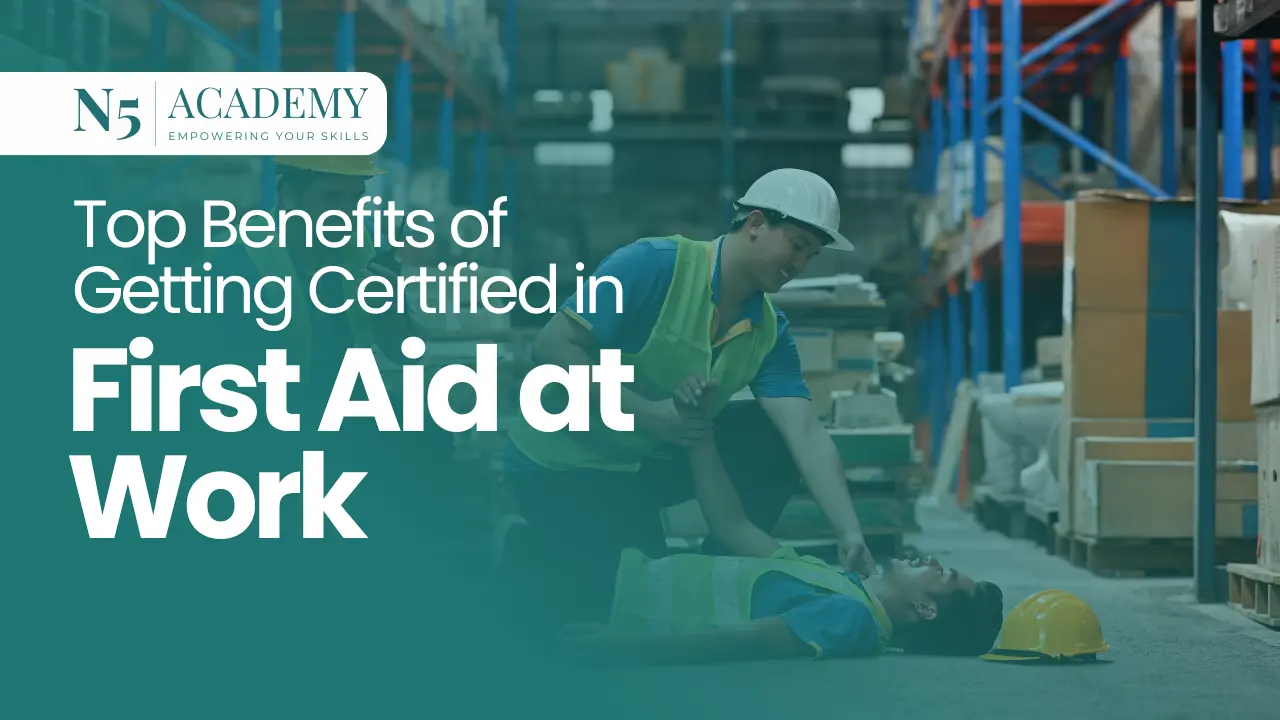
Emergencies can happen anytime. Not having trained staff or a stocked first aid kit can lead to serious problems. This not only affects the injured person’s situation but may also put your business at legal risk.
Consequences of Being Unprepared:
- Slow response to bleeding, burns, or heart issues.
- Minor injuries could become severe.
- Risk of penalties for HSE non-compliance.
- Lower staff morale and trust.
How to Fix It:
- Always have a trained first aider on every shift.
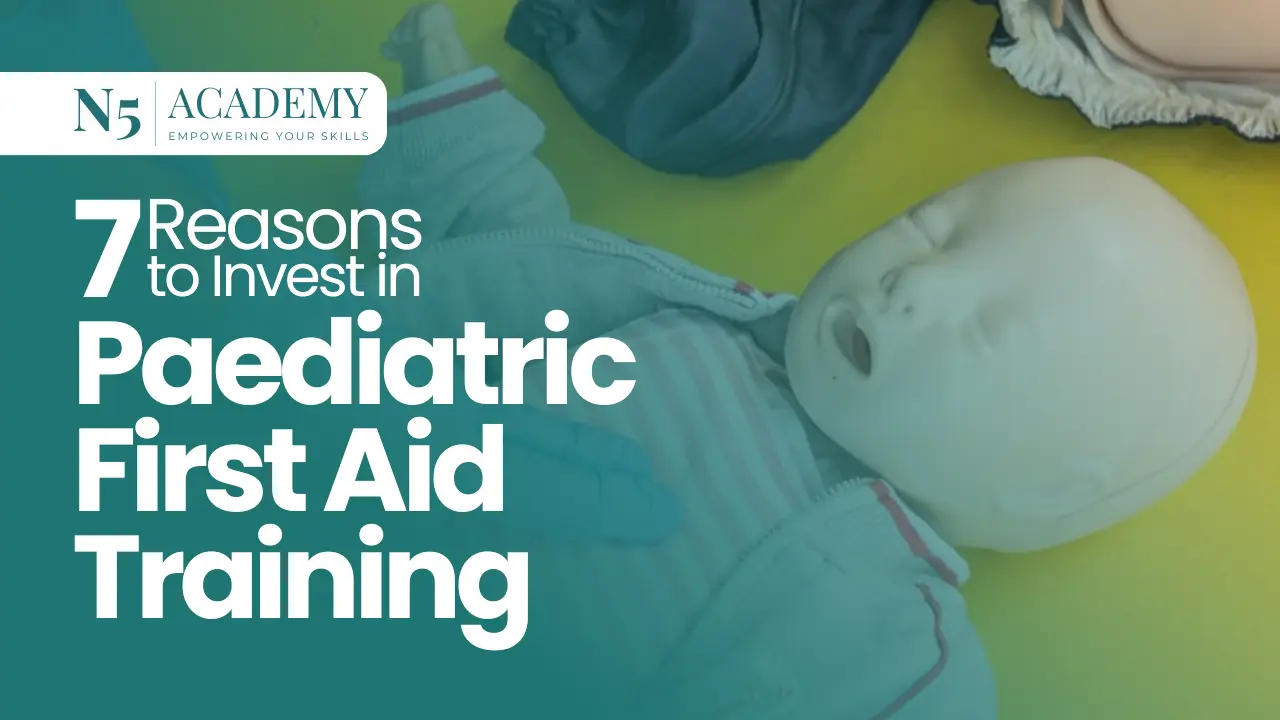
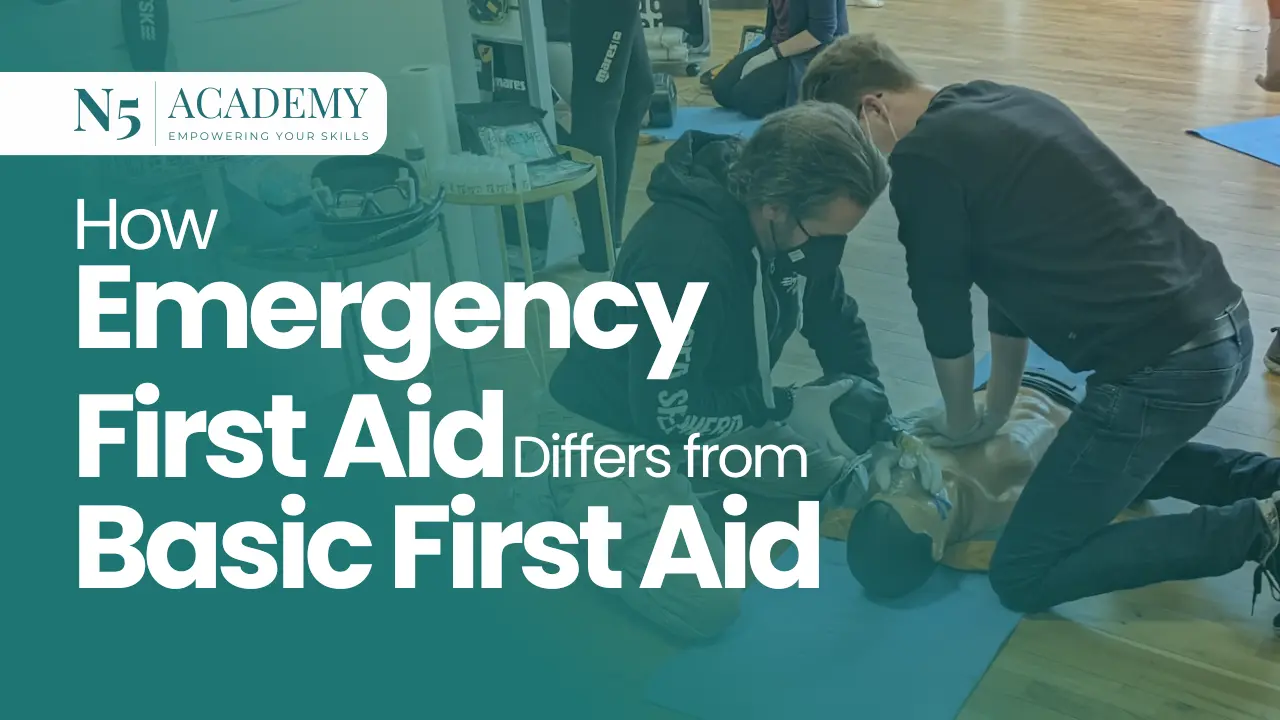
- Provide a choice between a 1-day emergency first aid course or a 3-day comprehensive course.
- Check and restock first aid kits monthly.
- Post emergency contact numbers in visible places.
- Conduct mock drills to build team confidence.
At N5 Academy, we offer affordable, accredited first aid courses that fit your business needs. Our emergency course helps staff learn life-saving skills quickly.
Fire Safety Failures: When Seconds Matter Most
Fire safety is a legal and moral duty. Large companies often have teams for safety, but many small businesses skip regular checks and training, thinking, “It won’t happen here.” Fires can happen anywhere.
Common Fire Safety Issues:
- Fire exits blocked by stock or furniture.
- Fire extinguishers are out of date.
- No trained fire marshal.
- Alarm systems are not tested often.
Preventive Actions:
- Do annual fire risk assessments.
- Install alarms, smoke detectors, and extinguishers in high-risk areas.
- Appoint a fire marshal and enrol them in training.
- Schedule and document regular fire drills.
- Label fire exists and keeps them clear.
Being prepared can save lives, protect property, and lower insurance costs. Fire safety is essential for responsible business practises.
Poor Display Screen Equipment (DSE) Setups
With many UK businesses using hybrid and remote work, screen time has increased. Poor workstation setup can cause discomfort, eye strain, and serious health problems, making workers less productive and increasing sick leave.
Signs of Strain:
- Employees report tension headaches or dry eyes.
- Complaints of wrist, neck, or lower back pain.
- Signs of fatigue, lack of focus, or early burnout.
What to Do:
- Conduct a DSE assessment for each employee.
- Provide monitor risers, ergonomic chairs, and wrist supports.
- Encourage 5-minute breaks every hour.
- Teach staff about posture and optimal screen distance.
- Consider sit-stand desks for desk-based teams.
Ignoring DSE safety can lead to preventable injuries. Focus on ergonomics now to support your employees’ long-term health.
Stress and Mental Health Risks in Small Teams
Mental health is just as important as physical health. In small teams, people often have many roles, which can raise stress levels. If not managed, this stress can lead to burnout, absenteeism, or high employee turnover.
Common Causes of Stress in Small Businesses:
- Staff feel overwhelmed by their tasks.
- Job roles and expectations are unclear.
- Communication between management and staff is poor.
- There are no mental health support services.
Ways to Provide Support:
- Hold regular one-on-one check-ins with team members.
- Clearly define roles and responsibilities.
- Promote flexible working hours and fair schedules.
- Share free mental health resources from the NHS and charities.
- Consider Mental Health First Aid training for your team.
Creating a safe space for open discussions helps build resilience. A mentally healthy team is more engaged, loyal, and productive.
Electrical Hazards: Don’t Get Shocked by Compliance
It only takes one faulty plug or exposed wire to spark a disaster. Electrical issues are often overlooked until a serious incident occurs, especially in older buildings where wiring may not meet current safety standards.
Typical Risks Include:
- Plug sockets are overloaded with adapters.
- Appliances with damaged cords or casings.
- Water near electrical outlets in kitchens or toilets.
- DIY electrical fixes instead of hiring professionals.
How to Manage Electrical Safety:
- Carry out Portable Appliance Testing (PAT) annually.
- Keep an up-to-date log of electrical inspections.
- Train staff on recognising faulty equipment.
- Never allow staff to perform electrical repairs unless qualified.
- Install RCDs (residual current devices) where appropriate.
Compliance not only prevents injuries but also supports your insurance coverage and legal obligations under UK regulations.
Lack of Formal Health & Safety Training
Training is essential for a safe business environment. Without proper knowledge, even good employees can make risky choices that result in avoidable accidents.
Training Gaps You May Have:
- No formal induction process for new hires.
- Staff are unaware of evacuation or reporting procedures.
- Infrequent refresher training or outdated certifications.
What You Can Do:
- Enrol your team in N5 Academy’s comprehensive Health & Safety courses
- Choose a plan that suits your needs:
- First Aid at Work Course 1 Day (great for small teams)
- 3 Day First Aid at Work Course (covers multiple emergency types)
- Emergency First Aid at Work Course (for urgent compliance)
- Fire Marshal and Fire Safety Course
- Traffic Marshal Course
- Review your team’s training matrix annually and keep certifications updated
Training ahead of time helps staff feel confident and make the right choices during risky situations.
Building a Safety-First Culture
A written policy is important, but company culture drives real change. Building a safety-first mindset at every level ensures your team values safety, not just fears compliance.
Steps to Take:
- Include all employees in safety talks and decisions.
- Show safety messages in common areas.
- Welcome anonymous reports of hazards or concerns.
- Acknowledge team members who prioritise safety.
- Make safety part of onboarding, meetings, and reviews.
Integrating safety into your culture creates a healthier, happier workplace where risks are anticipated and prevented.
Small Business, Big Responsibility
As a small business owner, your main job is to protect your team. Every choice you make about safety affects your staff’s health, your legal status, and your business growth.
By knowing these eight common health and safety risks, you can take action. Invest in training, like our first aid courses, and improve workplace ergonomics today to save lives tomorrow.
Want to improve compliance, motivate your team, and prevent costly accidents? Enrol in our first aid courses now. Whether you need a one-day course for quick compliance or a three-day course for in-depth training, N5 Academy is here for you.