

Emergencies can happen suddenly and without warning. Whether it’s a fire, gas leak, chemical spill, or a need for evacuation, trained people must lead others to safety. This is where fire marshals are essential. Their quick thinking and calm attitude help save lives, reduce injuries, and prevent chaos during crises.
Fire marshals ensure safety and order during emergencies in UK workplaces. They lead fire drills, manage evacuations, and enforce safety rules. Their work helps prevent confusion and keeps everyone safe. UK employers should prioritise fire safety training, like the courses offered by N5 Academy, to help teams respond effectively in a crisis.
The Calm in the Storm: Who Are Fire Marshals?
Fire marshals, also known as fire wardens, are trained to manage fire safety in buildings and workplaces. Their main job is to help people evacuate safely during emergencies. However, they also focus on fire prevention, training, and raising awareness throughout the year.
These safety experts follow the Regulatory Reform (Fire Safety) Order 2005, which requires UK employers to appoint qualified individuals for fire safety. Fire marshals meet this requirement and act as risk managers and emergency responders.
Their knowledge of the building layout, fire exits, and hazards makes them essential for every business.
Behind the Scenes: Key Fire Marshal Duties
Fire marshal duties are important for workplace safety. Here are the main tasks they handle:
- Conduct regular fire drills and ensure staff take part.
- Monitor fire alarm systems and check extinguishers.
- Perform weekly and monthly fire safety inspections.
- Spot combustible materials and fire hazards.
- Keep fire doors, corridors, and exits clear.
- Coordinate evacuations during drills and real emergencies.
- Communicate with emergency responders.
Fire marshals also educate employees about fire safety procedures, improving overall awareness.
Tip: In larger buildings, it’s smart to have more than one fire marshal to ensure every area is monitored during an evacuation.
What Happens During an Emergency Evacuation?
During an emergency, quick decisions are crucial. This is where emergency evacuation management is important. A fire marshal’s ability to think fast, stay calm, and follow procedures can lead to a smooth evacuation instead of chaos.
Here’s how it usually unfolds:
- Alarm Sounds: A fire alarm goes off due to smoke, heat, or manual activation.
- Initial Assessment: Fire marshals assess the situation and start evacuation protocols.
- Area Checks: They check rooms, restrooms, and hidden spots to make sure no one is left behind.
- Assistance Role: They assist anyone who needs help, such as people with disabilities or those in distress.
- Reporting: At the assembly point, fire marshals conduct roll calls and provide updates to emergency services.
They are trained to manage not just the evacuation but also emotions. Their calm presence helps reduce panic among staff and visitors.
Fire Risk Control: Prevention Is Better Than Cure
While many people think of fire marshals as emergency responders, a big part of their job is preventing fires. This is called fire risk control, which includes steps to reduce fire hazards at work.
Their prevention tasks often include:
- Reviewing and updating fire risk assessments regularly.
- Identifying high-risk areas like kitchens, storage rooms, and places with electrical equipment.
- Ensuring flammable materials are stored properly.
- Checking the maintenance of fire detection and suppression equipment.
- Making sure emergency lighting, exit signs, and fire doors work properly.
This ongoing attention helps stop potential disasters before they happen. Prevention is cheaper and less disruptive than dealing with a fire’s aftermath.
At N5 Academy, our fire safety training courses prepare marshals for emergencies and teach them how to create safer workplaces.
Human Behaviour During Emergencies: Why Fire Marshals Matter
In a fire or emergency, even calm people can feel a lot of stress. Adrenaline kicks in, decisions become hard to make, and panic can spread quickly. Fire marshals help stabilise the situation.
Here’s how they make a difference:
- Visual Authority: Their bright vests and confident stance help people notice them and follow their directions.
- Verbal Command: They use clear and kind language to give instructions like “exit this way” or “stay calm, help is coming.”
- Supportive Presence: They assist those in need, manage the crowd, and help calm scared employees.
Fire marshals understand how people act in emergencies and adjust their approach. They might direct traffic, prevent chaos, or create safe areas for those who cannot leave right away.
Legal Compliance & Business Responsibility in the UK
Fire marshals are essential for legal reasons, not just best practises. The Fire Safety Order 2005 requires UK employers to:
- Prevent fires
- Offer fire safety training
- Ensure employees know their roles during a fire
Not meeting these requirements can lead to legal penalties, fines, or even imprisonment for serious negligence.
Training staff as fire marshals lowers liability and enhances workplace safety. Choosing a reliable provider like N5 Academy helps businesses fulfil their legal obligations while ensuring teams are prepared and confident.
Real-Life Scenarios Where Fire Marshals Saved the Day
Fire marshals show their true value through real-life examples. In the UK, trained fire marshals have proven their effectiveness during emergencies:
- Birmingham Office Fire: When smoke filled the staff kitchen from a faulty microwave, the fire marshal quickly set off the alarm and evacuated all employees. Everyone left the building in just 2 minutes, and the fire service got clear information.
- Manchester Care Home Incident: A small fire started in the kitchen during meal prep. The fire marshal safely evacuated 34 residents and made sure essential meds and mobility aids were taken out.
- Leeds Retail Park: A false alarm confused customers and staff. The trained fire marshal quickly managed the situation, restoring order and helping everyone exit calmly.
These examples show how fire marshals can prevent injury, panic, and tragedy.
The Training Behind the Calm: Fire Marshal Course Essentials
What’s included in a professional fire marshal course?
N5 Academy offers several key topics in its courses:
- Fire prevention theory and causes
- Understanding how fires behave and spread
- Proper use of fire extinguishers, including when not to use them
- Legal duties under UK fire law
- Realistic evacuation drills
- Reporting after evacuations and working with emergency services
We also teach about human behaviour during emergencies, risk assessment, and teamwork with other safety roles, like first aiders and building managers.
Our fire safety training focuses on being practical and compliant. For thorough preparation, we suggest adding:
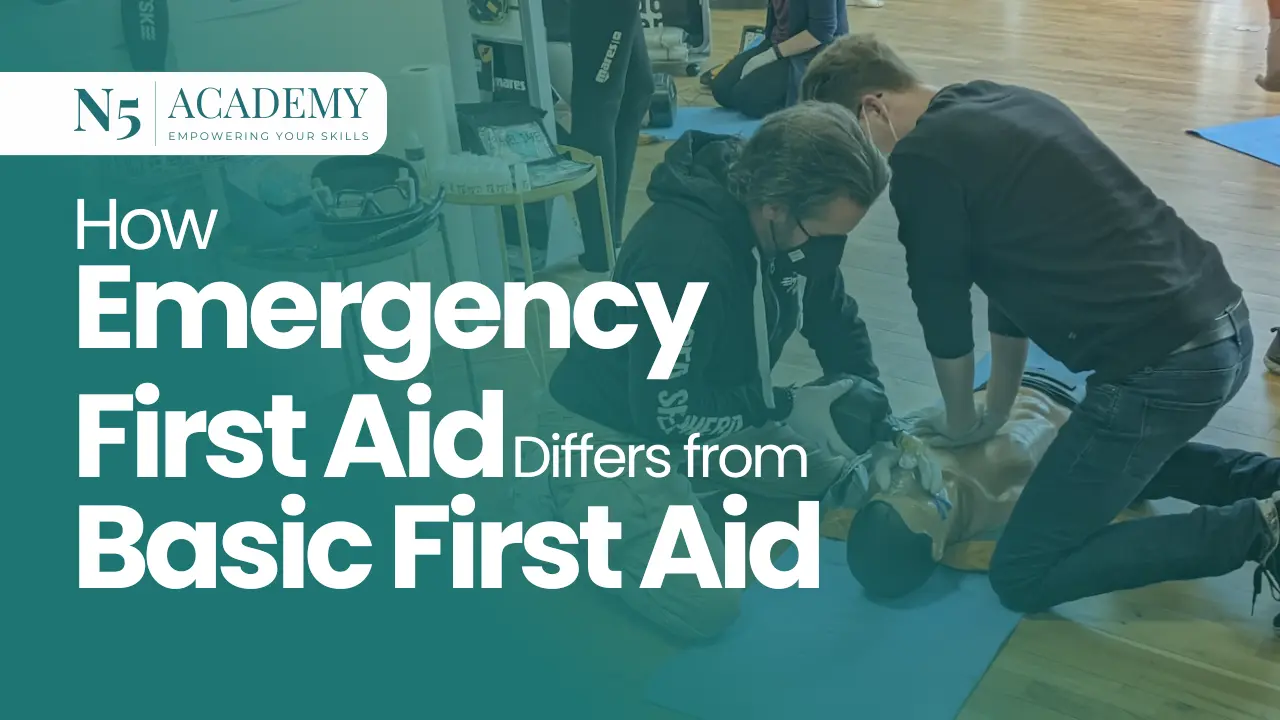
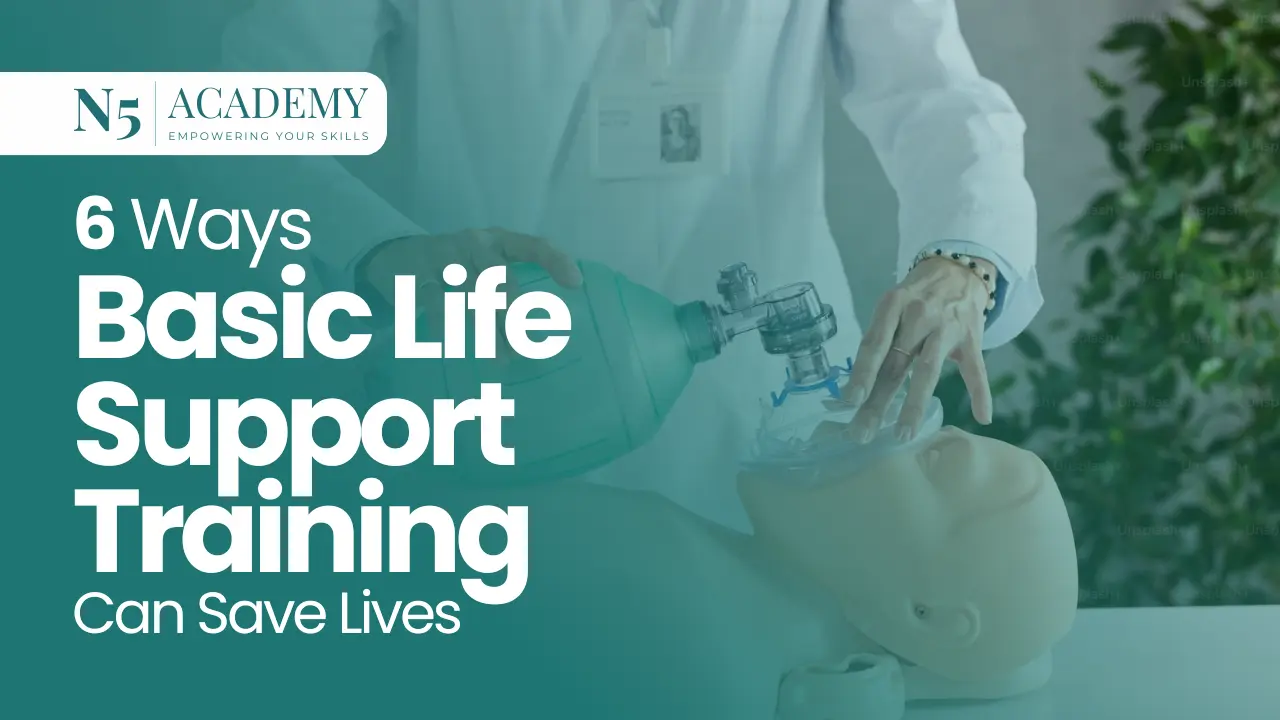
This combination equips your team to manage both evacuations and medical emergencies effectively.
Fire Marshals & First Aiders: A Lifesaving Partnership
Fire emergencies can cause injuries like burns, falls, smoke inhalation, and panic attacks. Having a trained fire marshal is important, but pairing them with a trained first aider makes your workplace even safer.
Here’s how this partnership helps:
- Quick Response: First aiders can treat minor injuries right away while fire marshals handle evacuations.
- Better Coordination: Together, they share responsibilities, reducing confusion.
- Reassurance: Staff feel secure knowing trained help is always available.
At N5 Academy, we assist organisations in creating these partnerships by offering flexible courses in fire safety and first aid. This focus ensures a safer and more prepared workplace.
How Many Fire Marshals Do You Need?
Businesses often ask how many fire marshals they need. This depends on risk, building size, and staff numbers. Here are some guidelines:
- Low-risk: 1 fire marshal for every 20 employees
- Medium-risk: 1 fire marshal for every 15 employees
- High-risk: 1 fire marshal for every 5 employees
Also think about:
- Shift coverage, including nights and weekends
- Size and layout of the building
- Number of floors and staircases
- Presence of individuals with special needs (like wheelchair users or pregnant staff)
At N5 Academy, our fire safety consultants can evaluate your workplace and suggest the right number of fire marshals. Remember, not having enough protection can lead to serious risks.
Order in the Face of Chaos
In emergencies, confusion and panic are normal. However, with trained fire marshals present, this chaos turns into order, control, and safety. Their planning and leadership help workplaces stay safe even in stressful situations.
Fire marshals ensure clear escape routes, assist those with mobility issues, and provide important information to fire crews. Their actions can save lives.
Act now. Don’t wait for an incident to reveal your weaknesses. Take a proactive step and empower your team with fire safety courses from N5 Academy, trusted by UK businesses.
Ready to Train Your Team?
Book your fire marshal course today to boost your organisation’s safety plan. For a full emergency response, pair it with our first aid training or emergency first aid course.